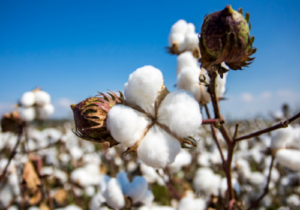
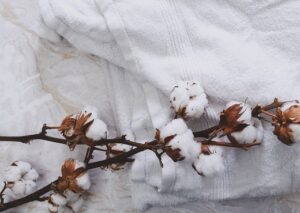
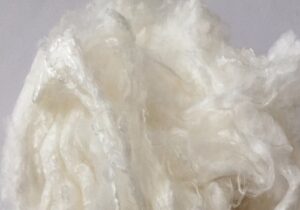
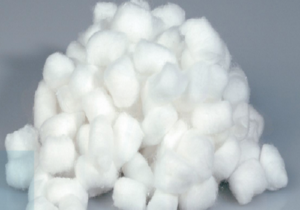
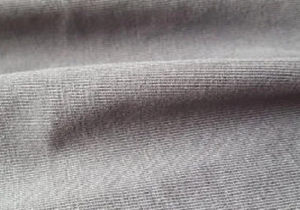
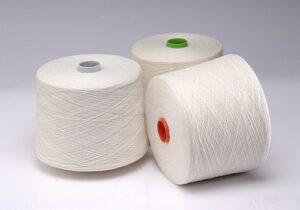
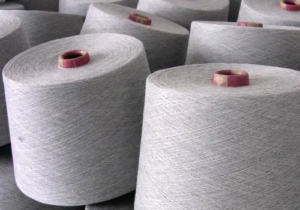
Cotton flat is a by-product of the yarn spinning industry produced in the first carding machine. This fiber is usually longer and has higher trash compared to comber noile.
Cotton Comber or Comber Noil is a by-product of the yarn spinning industry produced when cotton is combed to remove short fibres. Being trash free, it has varied uses in the Security paper and medical industry and also as a blend for good quality cotton in OE spinning.
In vitro regeneration by somatic embryogenesis is highly varietal specific in cotton (Gossypium hirsu- tum). Highest frequency of regeneration has been reported in Coker varieties. However, even within Coker varieties, there is seed to seed variation for regeneration1,2. There is no report of in vitro regen- eration of major Indian cultivars through the so- matic embryogenesis pathway. We report here identification of genotypes within variety MCU-5 that regenerate profusely by somatic embryogenesis. This variety is extensively grown in the southern cot- ton zone of India
When shopping for work clothes, consumers are presented with a wide range to choose from. The combination of fabrics, styles,> and different manufacturers can make the choice a daunting one. Two of the more popular fabrics for work clothes are 100% cotton and a poly-cotton blend. But which is the best choice? In short, that depends on what the buyer is looking for.
The case of yarn count there was very meager differences, but in the weight and thickness of the samples the ANOVA results showed that there was significant difference between the means at 0.05% level of significance. Table 7 highlights that the fabrics made from recycled yarns showed greater weight and thickness when compared to the fabrics made from virgin cotton. This may be due to the irregularities in the fiber taken from the denim waste that was sourced from the apparel industry.
Fibre of dyed mélange yarn is becoming an emerging product in the field of textiles. The quality of mélange yarn is largely influenced by the types of blending methodologies. There exists hardly any reported work where the effect of blending methods on cotton mélange yarn quality has been studied. The purpose of this paper is to investigate the effect of blending methodologies on the properties of cotton mélange spun yarn.